
Remedial Massage & Myotherapy
Evidence-based myotherapy and remedial massage informed by current research in pain science, biomechanics, and neuromuscular physiology. Thorough assessment. Targeted intervention. Measurable outcomes.
Every treatment decision is informed by contemporary clinical research — not convention. You receive care that reflects the current best evidence in musculoskeletal and pain science.
Symptoms are signals, not the source. Systematic assessment identifies the structural, neurological, and biomechanical drivers of your pain to produce lasting — not merely temporary — improvement.
Understanding your condition is as important as treating it. You leave every session with a clear picture of what is happening and the tools to actively support your own recovery.
"I have suffered for over 20 years with debilitating headaches, neck and shoulder pain. Not one person in those 20 years has assessed my musculoskeletal function. Thomas does a thorough assessment before each session, working to rectify the dysfunction he finds. He has helped me immensely — not only with my pain, but in empowering me to become a better version of myself. He is more qualified and knowledgeable than any massage therapist or physio I have ever been to."
"As a very active and athletic person, I've seen many dozens of health professionals. Thomas is probably the best practitioner I have seen, period. His care for his patients is phenomenal. He genuinely is in his line of work because he wants to help people. As long as I live in Melbourne I'll never see anyone else."
"Thomas is extremely knowledgeable, passionate, and evidently results driven. I have been suffering with lower back and disc bulge issues, among many other issues, and Thomas has been the only one who has been able to accurately identify the root cause of the problem and provide the solution."
"Thomas demonstrates an extraordinary understanding of the human body that sets him apart. He goes above and beyond in his sessions, meticulously explaining each step. Having tried several therapists, I can confidently say that Thomas is unparalleled in his approach and expertise. My entire immediate family has become loyal and satisfied clients."
As a myotherapist, I take an evidence-based, whole-person approach to every session.
Every session begins with a thorough clinical assessment — orthopaedic testing, postural analysis, and movement screening to identify the underlying drivers of your pain or dysfunction.
Based on clinical findings, a targeted treatment plan is developed integrating the most appropriate modalities for your presentation — no generic protocols.
Treatment may include myofascial release, dry needling, electro-dry needling, cupping, IASTM, or electrotherapy — each selected on the basis of evidence and your specific tissue needs.
Corrective exercise prescription and movement re-education to address contributing factors, build resilience, and reduce recurrence risk.
Progress is tracked through objective outcome measures. Treatment is adapted each session based on your response, ensuring we stay on the most effective path forward.
A qualified Remedial Massage Therapist and Myotherapist committed to evidence-based clinical practice. My treatment philosophy is informed by current research in pain neuroscience, musculoskeletal pathology, and rehabilitation science.
My clinical practice draws on a broad scope of training across multiple institutions, encompassing over 600 hours of continuing professional development in dry needling alone. This includes advanced certifications in Huneke neural therapy, electro-dry needling, fascial and scar tissue techniques, pregnancy massage, Gua Sha, electrotherapy, IASTM, and manual therapy approaches including Maitland and Mulligan mobilisation techniques.
Whether you are managing acute musculoskeletal injury, chronic pain, neuromuscular dysfunction, postural imbalance, or seeking proactive maintenance care, I apply the same rigorous, evidence-informed approach to every session.
Treatment integrates current understanding of central sensitisation, nociception, and neuroplasticity to address both peripheral and central drivers of pain.
Extensive post-graduate training including Huneke neural therapy, fascial needling, scar tissue techniques, and electro-dry needling across multiple accredited providers.
Systematic reassessment protocols track progress and adapt treatment plans to ensure measurable, clinically meaningful improvement at every stage.
Musculoskeletal conditions arise from complex interactions between structural, neurological, and biomechanical factors. My clinical approach employs systematic assessment to identify the specific pathomechanics contributing to your presentation — targeting root causes rather than masking symptoms.
Treatment protocols integrate multiple evidence-based modalities selected according to tissue pathology, pain mechanisms, and functional goals. Select a condition below for a clinical overview of the assessment and treatment approach applied in practice, alongside supporting research literature.
Cervicogenic headache and tension-type headache arise from referred pain patterns originating in the cervical spine, suboccipital musculature, and trigeminocervical complex. Myofascial trigger points in the upper trapezius, suboccipitals, sternocleidomastoid, and temporalis are commonly implicated. The trigeminocervical nucleus — where cervical afferents converge with trigeminal input — provides the anatomical basis for referred head pain from cervical structures.
Assessment includes cervical range of motion, upper cervical joint testing (ULTT), and trigger point examination. Treatment integrates dry needling to suboccipital and upper cervical musculature, Maitland C0–C2 mobilisation, myofascial release, and postural correction to reduce mechanical load on the cervical spine.
Key Research: Fernández-de-las-Peñas et al. (2006) — trigger points as a peripheral pain generator in tension-type headache; Bodes-Pardo et al. (2013) — manual treatment of active trigger points in cervicogenic headache; Gross et al. (2015, Cochrane) — cervical manipulation and mobilisation for neck pain and headache.
Non-specific neck pain, facet joint dysfunction, and myofascial neck pain are among the most prevalent musculoskeletal presentations in clinical practice. Contributing factors include segmental hypomobility, deep neck flexor weakness, postural loading from sustained postures, and central sensitisation in chronic cases. Disc-mediated pain and radiculopathy require careful differential assessment.
PAIVM and PPIVM testing guides joint-level assessment. Treatment includes Maitland Grade III–IV mobilisation, deep neck flexor activation, soft tissue therapy, and dry needling of levator scapulae and multifidus. Cervical radiculopathy presentations are managed with neural mobilisation (upper limb neurodynamic testing) and nerve-gliding techniques.
Key Research: Gross et al. (2015, Cochrane) — exercise and manipulation for neck pain; Lluch et al. (2014) — deep cervical flexor training in neck pain; Jull et al. (2002) — specific therapeutic exercise for cervicogenic headache and neck pain.
Whiplash-Associated Disorder (WAD) encompasses a spectrum of cervical soft tissue and neurological injuries following acceleration–deceleration trauma. The Quebec Classification (Grades I–IV) guides prognosis and management. Sensory hypersensitivity, altered cervical neuromuscular control, and psychosocial factors are well-documented contributors to chronic WAD. Central sensitisation is a key mechanism in persistent symptoms.
Early active management is preferred over passive rest. Treatment prioritises restoring cervical range of motion, deep neck flexor retraining, and progressive loading. Manual therapy is applied judiciously, with pain neuroscience education incorporated to address central sensitisation. Graded activity and return-to-function planning are integrated throughout.
Key Research: Verhagen et al. (2007, Cochrane) — conservative treatment of whiplash; Sterling et al. (2004) — development of motor system dysfunction in WAD; Jull et al. (2007) — cervical sensorimotor control in WAD.
Adhesive capsulitis is characterised by progressive glenohumeral capsular fibrosis and synovial inflammation, resulting in global loss of active and passive shoulder range of motion. The condition progresses through freezing, frozen, and thawing phases over 12–24 months. Histopathological changes include fibrous tissue proliferation, capsular contracture, and chronic inflammatory infiltrate — particularly affecting the rotator interval and coracohumeral ligament.
Stage-dependent management. Freezing phase: pain modulation via dry needling, electrotherapy (TENS), and gentle neural mobilisation. Frozen phase: progressive glenohumeral mobilisation (Maitland Grade III–IV), posterior capsule stretching, and periarticular dry needling. Thawing phase: progressive loading, rotator cuff strengthening, and scapular stabilisation.
Key Research: Kelley et al. (2013) — shoulder pain and mobility deficits in adhesive capsulitis (clinical practice guidelines); Page et al. (2014, Cochrane) — manual therapy and exercise for shoulder pain; Rangan et al. (2015) — physiotherapy versus manipulation for frozen shoulder.
Rotator cuff pathology encompasses a spectrum from subacromial impingement syndrome and partial-thickness tears to full-thickness ruptures. The supraspinatus is most commonly involved. Rotator cuff-related shoulder pain involves compressive and tensile loading of the tendon, altered scapular kinematics, and often accompanying glenohumeral instability or posterior capsular tightness. Tendinopathy changes include collagen disorganisation and neovascularisation rather than acute inflammation.
Assessment includes impingement testing (Hawkins-Kennedy, Neer, Jobe), shoulder strength testing with a dynamometer, and scapular dyskinesis evaluation. Treatment integrates dry needling to rotator cuff musculature and thoracic spine, scapular stabilisation exercise, progressive tendon loading (isotonic and isometric protocols), and posterior capsule mobilisation.
Key Research: Hanratty et al. (2012) — manual therapy for shoulder impingement; Lewis (2016) — rotator cuff related shoulder pain: assessment, management and uncertainties; Holmgren et al. (2012) — specific exercise versus subacromial corticosteroid injection in rotator cuff disorders.
Lateral epicondylalgia is a degenerative tendinopathy of the common extensor origin — primarily extensor carpi radialis brevis — rather than an acute inflammatory condition. Pathological changes include angiofibroblastic hyperplasia, collagen disorganisation, and neovascularisation. Contributing factors include repetitive wrist extension loading, grip demands, and often a component of cervical radiculopathy or peripheral nerve sensitisation.
IASTM to the common extensor origin, deep transverse friction, trigger point dry needling to the extensor compartment, and Mulligan mobilisation with movement (MWM) are first-line manual interventions. Progressive eccentric and heavy-slow resistance loading of the wrist extensors is central to tendon remodelling. Neural mobilisation is included where radial nerve neurodynamics are implicated.
Key Research: Bisset et al. (2006) — physiotherapy and corticosteroid injection for lateral epicondylalgia; Coombes et al. (2015) — combined physiotherapy and injection versus injection alone; Vicenzino et al. (2007) — Mulligan MWM for lateral epicondylalgia.
Medial epicondylalgia involves degenerative tendinopathy at the common flexor–pronator origin (primarily flexor carpi radialis and pronator teres). Less common than lateral epicondylalgia, it is associated with repetitive gripping, wrist flexion, and forehand loading in sport and occupational activities. Ulnar nerve involvement and cubital tunnel syndrome must be assessed as concurrent diagnoses.
Assessment includes medial elbow palpation, Cozen's test (modified), and ulnar nerve provocation testing. Treatment involves IASTM to the common flexor origin, deep transverse friction, trigger point needling to the forearm flexor compartment, and progressive wrist flexor loading. Neural mobilisation for ulnar nerve neurodynamics is included where indicated.
Key Research: Hoogvliet et al. (2013) — does effectiveness of exercise therapy and mobilisation techniques offer guidance for the treatment of lateral and medial epicondylitis; Calfee et al. (2008) — management of lateral epicondylitis: current concepts.
Carpal tunnel syndrome (CTS) results from compression and traction of the median nerve within the carpal tunnel, producing paraesthesia, numbness, and weakness in the median nerve distribution. Mechanical compression is often compounded by neurodynamic restrictions proximally — the "double crush" hypothesis suggests that proximal neural compromise sensitises the nerve to distal compression. Pregnancy-related CTS involves oedematous changes to carpal tunnel contents.
Upper limb neurodynamic testing (ULTT1/ULTT2b) identifies the extent of neural mechanosensitivity. Treatment includes median nerve mobilisation (gliding and tensioning techniques), carpal tunnel tissue mobilisation, wrist flexor and pronator dry needling, and cervical assessment for proximal contribution. Splinting advice and ergonomic modification are incorporated.
Key Research: Fernández-de-las-Peñas et al. (2017) — manual therapy versus surgery for carpal tunnel syndrome; Rozmaryn et al. (1998) — nerve and tendon gliding exercises for CTS; Bialosky et al. (2009) — mechanisms of manual therapy in the treatment of musculoskeletal pain.
Non-specific lower back pain (LBP) accounts for the majority of presentations, though structural contributors including lumbar disc pathology, facet joint dysfunction, sacroiliac joint dysfunction, and myofascial pain require systematic differentiation. Central sensitisation, fear-avoidance behaviour, and kinesiophobia are well-established contributors to chronicity. Diaphragmatic breathing mechanics and intra-abdominal pressure regulation are increasingly recognised in lumbar stability models.
McKenzie directional preference testing guides mechanical classification. Lumbar multifidus, quadratus lumborum, and psoas major are assessed for trigger points and neuromuscular inhibition. Treatment includes lumbar Maitland mobilisation, deep tissue soft tissue therapy, dry needling of paraspinals and gluteal musculature, motor control exercise (transversus abdominis activation, multifidus recruitment), and pain neuroscience education where sensitisation is present.
Key Research: Rubinstein et al. (2011, Cochrane) — spinal manipulative therapy for non-specific LBP; Macedo et al. (2009) — motor control exercises for LBP; O'Sullivan (2005) — diagnosis and classification of chronic LBP disorders; Hodges & Richardson (1996) — multifidus and transversus abdominis in lumbar stability.
Sciatica encompasses radicular pain referral along the sciatic nerve distribution, most commonly from L4–S1 disc herniation with nerve root compression or irritation. Piriformis syndrome — a peripheral entrapment of the sciatic nerve in the deep gluteal space — presents similarly and is frequently underdiagnosed. Neurodynamic testing (SLR, slump test) and dermatomal assessment guide differentiation. Disc-related radiculopathy often resolves with conservative management given the natural history of disc resorption.
Neurodynamic testing determines the extent of neural mechanosensitivity. Nerve mobilisation techniques (slider versus tensioner neurodynamics) are selected based on irritability. Dry needling to piriformis, gluteus medius, and deep hip external rotators addresses peripheral neural entrapment. Lumbar mobilisation, traction-based techniques, and trunk stabilisation are integrated for discogenic presentations. McKenzie extension loading is considered where directional preference is identified.
Key Research: Santilli et al. (2006) — chiropractic manipulation versus placebo for sciatica; Konstantinou & Dunn (2008) — sciatica: review of epidemiology, pathophysiology, and management; Shacklock (2005) — clinical neurodynamics; Papadopoulos & Khan (2004) — piriformis syndrome and low back pain.
Postural dysfunction describes maladaptive patterns of alignment and neuromuscular recruitment arising from sustained postures, occupational demands, or habitual movement patterns. Vladimir Janda's upper and lower crossed syndrome models describe predictable patterns of muscle tightness and inhibition: upper crossed syndrome involves tight pectorals, upper trapezius, and suboccipitals with inhibited deep neck flexors and lower trapezius; lower crossed syndrome involves tight hip flexors and thoracolumbar extensors with inhibited abdominals and gluteal musculature.
Postural and movement screen identifies dominant dysfunction patterns. Treatment involves inhibiting overactive/shortened muscles (dry needling, soft tissue release, PNF stretching) and activating inhibited musculature through targeted corrective exercise. Thoracic mobility, scapular stability, and hip-trunk integration are progressively addressed. Ergonomic and lifestyle modification education complements in-clinic treatment.
Key Research: Janda (1987, 1994) — muscle function testing and the crossed syndromes; Sahrmann (2002) — diagnosis and treatment of movement impairment syndromes; Page, Frank & Lardner (2010) — assessment and treatment of muscle imbalance.
Hip and groin pain encompass a spectrum of pathologies including gluteal tendinopathy, femoroacetabular impingement (FAI), adductor-related groin pain, iliopsoas pathology, and hip osteoarthritis. Gluteal tendinopathy — involving the gluteus medius and minimus at their greater trochanteric attachments — is now the preferred diagnosis over "greater trochanteric bursitis," reflecting degenerative tendon changes as the primary pathomechanism. Compressive loading of the tendon, driven by adduction postures and limb-crossing behaviours, is the key perpetuating factor.
FAI and labral pathology require differential assessment (FADIR, FABER testing). Gluteal tendinopathy management follows a load management model — offloading compressive postures while progressively introducing isometric then isotonic gluteal loading. Hip mobilisation, dry needling to gluteal and deep hip rotator musculature, and IASTM to the iliotibial band are integrated. Hip abductor and external rotator strengthening is central to rehabilitation.
Key Research: Mellor et al. (2018) — education plus exercise versus corticosteroid injection for gluteal tendinopathy (the LEAP trial); Grimaldi et al. (2017) — gluteal tendinopathy: a review of mechanisms, assessment, and management; Reiman et al. (2012) — clinical examination of FAI.
Patellofemoral pain syndrome (PFPS) involves anterior knee pain attributable to abnormal patellar tracking and elevated patellofemoral joint stress. Contributing factors include quadriceps weakness, VMO inhibition, reduced hip abductor and external rotator strength, reduced knee extension flexibility, and foot pronation. Knee osteoarthritis and meniscal pathology require careful differential assessment. Patellar tendinopathy (jumper's knee) involves degenerative changes at the patellar tendon due to repeated high tensile load.
Quadriceps and VMO activation, hip abductor strengthening, and foot orthosis advice address contributing biomechanical factors in PFPS. Patellar mobilisation (superior/inferior and mediolateral glides), taping, and soft tissue release to the lateral retinaculum are applied. Patellar tendinopathy is managed with isometric and progressive heavy-slow resistance loading per contemporary tendinopathy models. Dry needling to the quadriceps and IT band addresses myofascial contributors.
Key Research: Crossley et al. (2016) — patellofemoral pain clinical practice guidelines; Rathleff et al. (2015) — high-load strength training versus low-load exercise for patellofemoral pain; Bolgla & Boling (2011) — systematic review of hip strengthening in PFPS.
Plantar fasciopathy involves degenerative changes at the proximal plantar fascia origin on the medial calcaneal tubercle, characterised by collagen disorganisation and neovascularisation. The term "fasciopathy" is preferred over "fasciitis" as histopathology reveals predominantly degenerative rather than inflammatory changes. Contributing factors include excessive pronation, reduced ankle dorsiflexion, gastrocnemius/soleus tightness, increased body mass index, and high-impact loading volume. Morning pain with first steps (post-static dyskinesia) is the hallmark clinical feature.
High-load strength training (calf raises with toe extension) following the Rathleff protocol is the strongest evidence-based intervention. Dry needling to the plantar fascia, gastrocnemius, and soleus addresses myofascial contributors and stimulates fascial mechanoreception. IASTM to the plantar fascia, talocrural and subtalar joint mobilisation, and ankle dorsiflexion restoration are integrated. Taping (low-Dye) and footwear advice support symptom management.
Key Research: Rathleff et al. (2015) — high-load strength training improves outcomes in patients with plantar fasciitis; Martin et al. (2014, CPG) — heel pain and plantar fasciitis clinical practice guidelines; Pollack et al. (2023) — dry needling for plantar fasciitis.
Achilles tendinopathy (mid-portion and insertional) results from failed tendon healing in response to repetitive mechanical loading. The degenerative tendinopathy model describes collagen disorganisation, neovascularisation, and altered proteoglycan distribution within the tendon substance. Mid-portion tendinopathy (2–6cm proximal to insertion) and insertional tendinopathy require distinct management approaches — insertional pathology involves compressive loading at the bone-tendon junction and is exacerbated by dorsiflexion range loading.
Progressive tendon loading is the cornerstone of management. Alfredson's heavy eccentric protocol (mid-portion) and the Beyer isometric/isotonic heavy-slow resistance programme are applied based on presentation. Dry needling to the gastrocnemius, soleus, and tendon (peritendinous approach) is used alongside soft tissue therapy. IASTM along the tendon, ankle joint mobilisation, and gastrocnemius stretching are incorporated. Insertional presentations avoid end-range dorsiflexion compressive loading.
Key Research: Alfredson et al. (1998) — heavy eccentric loading for Achilles tendinopathy; Beyer et al. (2015) — heavy slow resistance versus eccentric exercise for Achilles tendinopathy; Maffulli et al. (2013) — tendinopathy: a review of current concepts; Rio et al. (2015) — isometric exercise for tendinopathy pain.
Iliotibial band (ITB) syndrome presents as lateral knee pain in runners and cyclists, traditionally attributed to friction of the ITB over the lateral femoral epicondyle during repetitive knee flexion–extension cycles. Contemporary models suggest that fat pad impingement and compressive stress on the innervated periosteal and fat pad tissues beneath the ITB are more accurate mechanistic explanations. Contributing factors include hip abductor weakness, genu varum, excessive foot pronation, and rapid increases in training load.
Hip abductor and external rotator strengthening is the primary rehabilitation focus. Soft tissue therapy and dry needling to the tensor fascia latae, gluteus maximus, and lateral quadriceps reduce myofascial load on the ITB. IASTM to the ITB, foam roller education, and training load modification are included. Gait retraining — addressing peak hip adduction and contralateral pelvic drop — is integrated where a running biomechanics assessment is appropriate.
Key Research: Fairclough et al. (2006) — the functional anatomy of the IT band during flexion and extension of the knee; Fredericson et al. (2000) — hip abductor weakness in distance runners with ITBS; Baker & Souza (2011) — gait retraining for ITBS.
Fibromyalgia is a complex chronic pain condition characterised by widespread musculoskeletal pain, fatigue, cognitive disruption (fibro-fog), and sleep disturbance. The primary mechanism is central sensitisation — dysregulation of central pain processing resulting in amplified nociceptive signalling, allodynia, and hyperalgesia. Peripheral sensitisation and altered autonomic function contribute to the presentation. The condition is frequently co-morbid with anxiety, depression, and irritable bowel syndrome, reflecting shared neuroendocrine mechanisms.
Management is multimodal, with an emphasis on pain neuroscience education to reconceptualise pain as a central nervous system sensitivity rather than ongoing tissue damage. Graded aerobic exercise, graduated exposure to movement, and sleep hygiene support form the rehabilitation foundation. Manual therapy (gentle myofascial techniques, soft tissue mobilisation) and dry needling are applied conservatively to reduce peripheral nociceptive input and support allostatic regulation. Pacing strategies and activity management are integral.
Key Research: Häuser et al. (2010) — treatment of fibromyalgia syndrome with antidepressants, a meta-analysis; Moseley & Butler (2015) — fifteen years of explaining pain: the past, present, and future; Nijs et al. (2011) — treating central sensitisation in patients with unexplained chronic pain; Woolf (2011) — central sensitisation: implications for the diagnosis and treatment of pain.
Sports injury management encompasses acute soft tissue injuries (muscle strains, ligament sprains, contusions) through to chronic overuse conditions (tendinopathies, stress reactions, repetitive strain injuries). Accurate classification of tissue injury and healing phase is critical: management during the acute inflammatory phase differs substantially from the proliferative and remodelling phases. Return-to-sport criteria based on strength, functional testing, and psychological readiness are integral to safe athletic return.
Phase-matched management: acute phase involves PEACE (Protection, Elevation, Avoidance of anti-inflammatories, Compression, Education) rather than outdated RICE protocols. Sub-acute and remodelling phases incorporate progressive loading (eccentric protocols, plyometrics), neuromuscular control training, and sport-specific rehabilitation. Dry needling, IASTM, cupping, and sports massage are applied to support tissue recovery. Dynamometer-based strength symmetry testing guides return-to-sport clearance.
Key Research: Dubois & Esculier (2020) — soft tissue injuries: PEACE & LOVE over RICE; Ardern et al. (2016) — return-to-sport consensus statement; Orchard (2012) — hamstring muscle injuries in sport — the current evidence base; Maffulli et al. (2010) — evidence-based management of tendinopathy.
Temporomandibular dysfunction (TMD) encompasses a spectrum of disorders affecting the temporomandibular joint, masticatory musculature, and associated structures. Common presentations include jaw pain, clicking or crepitus, limited or deviated mouth opening, and referred pain to the temple, ear, and lateral cervical region. Myofascial pain involving the masseter, temporalis, and medial pterygoid muscles is the most prevalent subtype. Bruxism, parafunctional habits, cervical dysfunction, and psychosocial stress are well-established contributing factors. The close anatomical and neurological relationship between the TMJ and upper cervical spine means that cervicogenic dysfunction frequently perpetuates TMD symptoms.
Assessment includes mandibular range of motion, joint palpation, masticatory muscle trigger point examination, and cervical assessment. Treatment integrates dry needling to masseter, temporalis, and suboccipital musculature; intraoral trigger point release (where indicated); upper cervical Maitland mobilisation; and cervicogenic correction. Patient education regarding parafunctional habits, postural loading, and sleep hygiene is central to long-term outcomes.
Key Research: Fernández-de-las-Peñas & Dommerholt (2014) — myofascial trigger points in TMD; Calixtre et al. (2015) — manual therapy for TMD: systematic review; Armijo-Olivo et al. (2016) — effectiveness of manual therapy and therapeutic exercise in TMD.
Cervical radiculopathy results from compression or irritation of a cervical nerve root, most commonly at C5–C6 or C6–C7 levels, producing dermatomal pain, paraesthesia, and/or motor weakness into the ipsilateral upper limb. Disc herniation with nuclear material contacting the nerve root is the most common structural cause, though foraminal stenosis from osteophyte formation is prevalent in older populations. Neural inflammation, mechanical deformation, and altered intraneural blood flow all contribute to symptom generation. The condition must be differentiated from peripheral nerve entrapments, thoracic outlet syndrome, and referred shoulder pain.
Upper limb neurodynamic testing (ULTT1 for median nerve, ULTT2a for radial, ULTT3 for ulnar) identifies neural mechanosensitivity and helps localise the affected root. Spurling's compression test and cervical distraction test guide clinical reasoning. Treatment prioritises neural slider and tensioner mobilisation, cervical traction-based techniques (Maitland), and deep neck flexor retraining. Segmental dry needling to paraspinal musculature at the implicated level reduces periradicular muscle splinting. Postural correction and activity modification are integrated to reduce sustained compressive loading.
Key Research: Thoomes et al. (2018) — effectiveness of manual therapy for cervical radiculopathy; Young et al. (2009) — upper limb tension test as a diagnostic tool for cervical radiculopathy; Boyles et al. (2011) — thoracic spine thrust manipulation for neck pain and cervical radiculopathy.
Thoracic outlet syndrome (TOS) involves compression of the brachial plexus, subclavian artery, or subclavian vein at one of three anatomical corridors: the interscalene triangle (between anterior and middle scalene muscles), the costoclavicular space (between clavicle and first rib), or the subpectoralis minor space (beneath pectoralis minor at the coracoid process). Neurogenic TOS — by far the most common subtype — produces diffuse upper limb pain, paraesthesia (often ulnar distribution), and fatigue with overhead activity. Cervical rib anomalies, hypertonic scalene muscles, poor thoracic posture, and first rib elevation are common contributing structural factors.
Provocative testing includes Roos' elevated arm stress test, ULTT3 (ulnar neurodynamic), and Adson's test for vascular involvement. Treatment focuses on scalene and pectoralis minor release via dry needling and myofascial techniques, first rib depression mobilisation, thoracic extension mobilisation, and brachial plexus neural mobilisation. Postural re-education — particularly forward head correction and shoulder girdle repositioning — is essential for sustained improvement.
Key Research: Sanders et al. (2007) — diagnosis and management of TOS; Hooper et al. (2010) — manual physical therapy of the cervical spine and upper extremity; Stewman et al. (2014) — TOS: a sports medicine perspective.
Cubital tunnel syndrome involves compression or traction of the ulnar nerve at the medial elbow — the second most common upper limb peripheral nerve entrapment after carpal tunnel syndrome. The ulnar nerve is vulnerable to traction stress during elbow flexion and direct compression from prolonged leaning. Symptoms include paraesthesia in the ring and little fingers, medial elbow pain, intrinsic hand weakness, and in chronic cases, interosseous muscle wasting. Contributing factors include sustained elbow flexion postures, occupational vibration exposure, medial epicondylalgia, and cubitus valgus deformity. Proximal double crush from a cervical C8–T1 contribution must be assessed.
Elbow flexion test and Tinel's sign at the cubital tunnel are the primary provocative tests. ULTT3 (ulnar neurodynamic) assesses the extent of neural mechanosensitivity along the entire pathway from cervical spine to digits. Treatment includes ulnar nerve slider and tensioner techniques, flexor–pronator myofascial release, medial elbow soft tissue therapy, and cervical assessment for proximal contribution. Ergonomic advice regarding elbow posture, padding, and activity modification is integrated throughout.
Key Research: Shah & Bhave (2013) — cubital tunnel syndrome: review; Staples et al. (2018) — neurodynamic mobilisation for peripheral neuropathies; Coppieters & Nee (2015) — neural mobilisation — a reassessment of the evidence.
De Quervain's tenosynovitis involves stenosing inflammation of the first dorsal compartment of the wrist, affecting the tendons of abductor pollicis longus (APL) and extensor pollicis brevis (EPB) as they pass beneath the extensor retinaculum at the radial styloid. The condition is characterised by radial-sided wrist and thumb pain, localised swelling over the first compartment, and pain reproduced by thumb and wrist loading. It is particularly prevalent during the postpartum period (related to wrist loading during infant lifting), in racquet sport athletes, and in occupations requiring repetitive thumb pinch and ulnar deviation.
Finkelstein's test (or the Eichhoff modification) confirms the diagnosis. IASTM to the first dorsal compartment and extensor retinaculum reduces fibrotic thickening and promotes tendon gliding. Dry needling to APL, EPB, and the radial wrist extensors addresses myofascial contributions and reduces tendon load. Thumb spica splinting advice, activity modification, and progressive tendon loading are integrated. Radial nerve neurodynamics (ULTT2b) are assessed given proximity to the superficial branch of the radial nerve.
Key Research: Huisstede et al. (2018) — De Quervain disease: a systematic review; Peters-Veluthamaningal et al. (2009, Cochrane) — corticosteroid injection for De Quervain's tenosynovitis; Cavaleri et al. (2016) — hand therapy versus corticosteroid injections in the management of De Quervain's.
Glenohumeral instability encompasses a spectrum from subtle microinstability — where static and dynamic stabiliser dysfunction produces pain without frank dislocation — through to recurrent traumatic dislocations. The glenoid labrum is a fibrocartilaginous structure that deepens the glenoid fossa and serves as an attachment for the glenohumeral ligaments; SLAP (Superior Labrum Anterior to Posterior) tears and Bankart lesions are the most clinically encountered labral pathologies. Multidirectional instability typically reflects hypermobility syndromes, rotator cuff insufficiency, and scapular dyskinesis rather than discrete structural failure.
Load and shift testing, apprehension–relocation testing, Kim's test, and O'Brien's active compression test guide clinical assessment. Management prioritises dynamic stabiliser retraining — particularly rotator cuff co-contraction, posterior cuff strengthening, and scapular stabilisation. Dry needling to subscapularis, infraspinatus, and serratus anterior improves neuromuscular activation. Manual therapy is applied judiciously to restore posterior capsule mobility without exacerbating laxity. Surgical assessment is recommended for structural instability with recurrent dislocation episodes.
Key Research: Warby et al. (2014) — exercise-based management of multidirectional instability; Jaggi & Lambert (2010) — rehabilitation for shoulder instability; Kibler et al. (2013) — scapular dyskinesis and its relation to shoulder injury.
Thoracic pain encompasses a broad spectrum of presentations including thoracic facet joint dysfunction, costovertebral joint irritation, thoracic myofascial pain, and disc-mediated referral patterns. The thoracic spine is uniquely constrained by the rib cage, making it the stiffest region of the vertebral column — and consequently, a common site of segmental hypomobility that generates both local pain and distant symptoms. Thoracic dysfunction is a well-recognised contributor to cervical and lumbar pain, shoulder impingement, and rib pain. Poor thoracic extension mobility and increased kyphosis are increasingly prevalent given the prevalence of prolonged seated postures in modern occupational settings.
Passive accessory intervertebral movement (PAIVM) testing identifies segmental hypomobility. Thoracic thrust manipulation and Maitland Grade III–IV posteroanterior mobilisation are first-line interventions with strong evidence for both local and referred symptom resolution. Dry needling to erector spinae, rhomboids, and thoracic paraspinals addresses myofascial contributors. Thoracic extension mobility exercises, foam roller protocols, and postural correction are integrated into rehabilitation. Costovertebral joint mobilisation is applied where rib pain or breathing-related thoracic pain is present.
Key Research: Masaracchio et al. (2013) — thoracic manipulation for treatment of musculoskeletal conditions; Strunce et al. (2009) — thoracic manipulation for mechanical neck pain; Mintken et al. (2010) — immediate effects of cervicothoracic manipulation.
The sacroiliac joint (SIJ) is a complex diarthrodial joint reinforced by some of the strongest ligamentous structures in the body, yet capable of generating significant low back, buttock, and referred leg pain when dysfunctional. SIJ pain is estimated to be the primary pain generator in 15–25% of chronic lower back pain presentations. Hypermobility (common in pregnancy and hypermobility syndromes), post-traumatic ligamentous laxity, and asymmetrical loading patterns from leg length discrepancy or hip pathology can all produce SIJ dysfunction. Importantly, SIJ pain can mimic lumbar disc or hip pathology, making accurate differential diagnosis essential.
A cluster of five SIJ provocation tests (distraction, thigh thrust, compression, Gaenslen's, and sacral thrust) provides the most clinically reliable diagnostic approach. Treatment includes SIJ Maitland mobilisation, SI ligament dry needling (where applicable), gluteus medius and multifidus activation, and pelvic girdle stabilisation exercise. Pelvic belt advice during high-load activities is integrated for hypermobility presentations, particularly postpartum SIJ pain.
Key Research: Laslett et al. (2005) — diagnosis of sacroiliac joint pain using clinical examination; Vleeming et al. (2008) — European guidelines for the diagnosis and treatment of pelvic girdle pain; Tidstrand & Horneij (2009) — inter-rater reliability of SIJ tests.
Patellar tendinopathy involves degenerative changes at the patellar tendon — most commonly at the inferior pole of the patella — due to repetitive high tensile load from jumping, landing, and rapid direction changes. Histopathological changes mirror those seen in other tendinopathies: collagen disorganisation, neovascularisation, increased proteoglycan content, and a notable absence of inflammatory cells in established presentations. High training load and load spikes are the primary pathomechanical drivers. Biomechanical contributors include quadriceps inflexibility, reduced ankle dorsiflexion, and altered hip and trunk control during landing tasks.
The Victorian Institute of Sport Assessment — Patella (VISA-P) questionnaire quantifies symptom severity and guides loading progression. Isometric quadriceps loading (leg extension holds at 60° knee flexion, 70% of maximum) provides immediate analgesic effect per Rio et al.'s tendinopathy research and can be applied in-season without worsening symptoms. Progression to heavy-slow resistance loading (isotonic squats, decline squats) drives tendon remodelling. Dry needling to the quadriceps and patellar tendon, IASTM, and proximal hip and trunk strengthening complete the rehabilitation programme.
Key Research: Rio et al. (2015) — isometric contractions are analgesic in patellar tendinopathy; Visnes & Bahr (2007) — training volume and body composition as risk factors for patellar tendinopathy; Rudavsky & Cook (2014) — physiotherapy management of patellar tendinopathy.
Medial tibial stress syndrome (MTSS) is characterised by diffuse, exercise-related medial tibial pain that typically worsens with running and resolves with rest in early stages. The underlying pathomechanism involves periosteal stress reaction and cortical bone remodelling in response to repeated bending loads transmitted through the tibial shaft. It exists on a continuum with tibial stress fracture, making severity assessment critical. Contributing factors include abrupt increases in running volume or intensity, excessive foot pronation, hip abductor weakness, and reduced bone mineral density — the latter being particularly relevant in the female athlete triad population.
Palpation along the posteromedial tibial border and hop testing assist in differentiating MTSS from stress fracture; MRI or bone scan may be indicated where fracture is suspected. Management during the acute phase involves load management — reducing running volume by 50% and substituting cross-training. Calf complex (soleus and tibialis posterior) strengthening, hip abductor strengthening, and foot orthosis advice are the primary interventions. Soft tissue therapy and dry needling to the deep posterior compartment musculature address myofascial load transmission. Gradual return-to-run programming based on symptom response guides progression.
Key Research: Moen et al. (2012) — medial tibial stress syndrome: a systematic review; Winters et al. (2013) — gait retraining for MTSS; Hamstra-Wright et al. (2015) — risk factors for MTSS in physically active individuals.
Lateral ankle sprains are the most common musculoskeletal sports injury, most frequently involving the anterior talofibular ligament (ATFL) and, in higher-grade sprains, the calcaneofibular ligament (CFL). Despite their perceived benignness, up to 40% of acute lateral ankle sprains progress to chronic ankle instability (CAI) — characterised by recurrent sprains, perceived giving-way, persistent pain, and reduced proprioceptive acuity. Impaired articular mechanoreception, peroneal muscle inhibition, and altered postural control strategies are key contributors to CAI. Talocrural joint hypomobility following acute sprain is a commonly overlooked perpetuating factor.
Acute management follows PEACE & LOVE principles — avoiding early passive rest and anti-inflammatories to preserve beneficial inflammatory signalling. Talocrural anterior-posterior joint mobilisation (Maitland and Mulligan MWM) is prioritised to restore dorsiflexion range lost from anterior talar displacement. Peroneal and intrinsic foot muscle strengthening, proprioceptive training, and balance re-education are the rehabilitation cornerstones. IASTM to periarticular ligamentous tissue and ankle retinaculum assists in chronic presentations with fascial densification.
Key Research: Doherty et al. (2016) — treatment and prevention of acute and recurrent ankle sprain; Bleakley et al. (2010) — PRICE vs POLICE — evolution of ankle sprain management; Vuurberg et al. (2018, AOSM consensus) — diagnosis, treatment and prevention of ankle sprains.
Osgood-Schlatter disease is a traction apophysitis at the tibial tubercle, resulting from repetitive tensile stress applied by the patellar tendon to the developing tibial apophysis during periods of rapid skeletal growth. It affects predominantly physically active adolescents (boys aged 12–15, girls aged 8–12) and characteristically produces localised swelling and tenderness at the tibial tuberosity, provoked by running, jumping, and kneeling. The condition is generally self-limiting — resolving with skeletal maturation — however active management significantly reduces pain duration and activity restriction.
Management is primarily load-based. Relative rest from provocative activities is combined with progressive loading to maintain quadriceps and patellar tendon capacity while reducing apophyseal stress. Quadriceps flexibility, hip flexor stretching, and hamstring length restoration reduce the patellar tendon tension vector. Soft tissue therapy to the quadriceps and patellar tendon, IASTM to the distal patellar tendon, and patellar tendon off-loading (infrapatellar strap advice) are applied. Parent and coach education regarding load management during growth spurts is essential.
Key Research: Circi et al. (2017) — Osgood-Schlatter disease: review of the literature; Nakase et al. (2015) — multivariate factors in Osgood-Schlatter disease; Smith et al. (2020) — management of Osgood-Schlatter disease in adolescents.
Muscle strains are among the most common injuries in both sport and daily life, involving partial or complete disruption of muscle fibre architecture within the muscle–tendon unit. The British Athletics Muscle Injury Classification (BAMIC) and Munich Consensus grading systems classify strains from minor functional disturbance (Grade 0–1) through moderate partial tears (Grade 2) to complete ruptures (Grade 3–4). The hamstrings, quadriceps, adductors, and calf complex are the most commonly strained muscle groups. Strains at the musculotendinous junction carry the highest recurrence risk. Inadequate rehabilitation — particularly insufficient progressive loading before return to sport — is the principal driver of reinjury.
Phase-matched management is applied across healing stages. Acute phase: PEACE principles with early pain-free isometric loading to prevent neuromuscular inhibition. Sub-acute phase: progressive eccentric and concentric loading, guided by the elimination of pain provocation and strength symmetry benchmarks. Return-to-sport phase: sport-specific loading, plyometrics, and dynamometer-based limb symmetry testing (>90% symmetry target). Dry needling, cupping, and sports massage support tissue recovery and reduce protective muscle guarding. Scar tissue management via IASTM is initiated during the remodelling phase for intramuscular lesions with palpable fibrosis.
Key Research: Orchard (2012) — hamstring muscle injuries; Ekstrand et al. (2011) — hamstring muscle injuries in professional football; Pollock et al. (2014) — British Athletics Muscle Injury Classification; Dubois & Esculier (2020) — PEACE & LOVE principles for soft tissue injury.
Bone stress injuries (BSI) represent a continuum from stress reaction (bone marrow oedema without cortical fracture) through stress fracture to complete cortical disruption. They result from repetitive submaximal loading that overwhelms the bone's adaptive remodelling capacity. Common sites include the tibia, metatarsals, fibula, navicular, femoral neck, and lumbar pars interarticularis. The female athlete triad (low energy availability, menstrual dysfunction, low bone mineral density) and Relative Energy Deficiency in Sport (RED-S) are well-established systemic risk factors. High-risk sites (femoral neck, navicular, fifth metatarsal base, anterior tibial cortex) require urgent medical referral for imaging and possible surgical management.
Note: bone stress injuries require medical diagnosis (MRI preferred) prior to manual therapy involvement. The myotherapist's role is in graduated return-to-activity programming, addressing contributing biomechanical factors (calf strengthening, running mechanics, foot orthosis), and soft tissue management of compensatory overload in surrounding musculature. Nutritional and bone health referral (dietitian, endocrinologist) is recommended where RED-S or the female athlete triad are suspected.
Key Research: Warden et al. (2014) — bone stress injuries: clinical diagnosis; Mountjoy et al. (2014) — IOC consensus statement on RED-S; Tenforde et al. (2016) — stress fractures in athletes: risk factors and management.
Pregnancy produces profound biomechanical, hormonal, and postural changes that generate a wide spectrum of musculoskeletal presentations. Relaxin-mediated ligamentous laxity, progressive anterior weight shift, compensatory lumbar hyperlordosis, thoracic kyphosis, and altered hip mechanics collectively stress the lumbar spine, sacroiliac joints, and pelvic floor. Pelvic girdle pain (PGP) affects up to 20% of pregnant women and is distinct from lumbar-origin pain in its clinical features and management. Carpal tunnel syndrome, leg cramps, thoracic pain, and upper trapezius tension are also highly prevalent. Postpartum presentations frequently involve SIJ dysfunction from labour positioning, abdominal diastasis, and wrist and shoulder overload from infant care.
All pregnancy massage is performed with specialised positioning using pregnancy bolsters, ensuring maternal and foetal comfort and safety. Treatment avoids prone positioning after the first trimester and contraindicated acupuncture points. Pelvic girdle pain is managed with SIJ stabilisation exercise, pelvic floor activation, and pelvic belt advice. Soft tissue therapy to the thoracolumbar fascia, gluteal musculature, and upper trapezius addresses postural loading. Carpal tunnel neurodynamics, oedema management with manual lymphatic drainage, and leg cramp soft tissue therapy are integrated as indicated.
Key Research: Liddle & Pennick (2015, Cochrane) — interventions for preventing and treating low back and pelvic pain during pregnancy; Vleeming et al. (2008) — European guidelines for pelvic girdle pain; Becker et al. (2018) — evidence for manual therapy in pregnancy.
Central sensitisation (CS) describes a state of amplified nociceptive processing within the central nervous system, characterised by allodynia (pain from normally non-painful stimuli), hyperalgesia (exaggerated pain response), and temporal summation (wind-up). Unlike acute nociceptive pain, CS reflects neuroplastic changes in spinal dorsal horn and supraspinal processing — making it disproportionate to any identifiable tissue pathology. CS is a transdiagnostic mechanism underlying fibromyalgia, chronic widespread pain, persistent post-surgical pain, and chronic primary pain disorders. Psychological comorbidities, sleep disturbance, adverse childhood experiences, and autonomic dysregulation are consistently associated.
Pain neuroscience education (PNE) — reconceptualising pain as a brain output driven by perceived threat rather than ongoing tissue damage — is the cornerstone of CS management, with strong evidence for reducing pain catastrophising and fear-avoidance. Graded activity and graded exposure progressively restore movement confidence and reduce central threat appraisal. Manual therapy and dry needling are applied as adjuncts to modulate peripheral nociceptive input and support therapeutic alliance. Pacing, sleep hygiene, and referral for psychological support (CBT or ACT-based approaches) are integrated where psychological contributors are prominent.
Key Research: Moseley & Butler (2015) — fifteen years of explaining pain; Nijs et al. (2014) — central sensitisation: how to explain hypersensitivity to patients; Woolf (2011) — central sensitisation: implications for the diagnosis and treatment of pain; Louw et al. (2016) — the efficacy of pain neuroscience education on musculoskeletal pain.
Each service is structured around a comprehensive assessment, personalised treatment, and a clear pathway forward for your recovery.
A detailed health history intake, orthopaedic, postural, and functional assessments — followed by a full treatment session. Dynamometer-based strength testing available where indicated.
60 or 90 MinutesExtended sessions for complex presentations involving postural dysfunction or compensatory patterns. Layered soft tissue therapy, neuromuscular re-education, and full functional reassessment.
$130 · 90 minutesFull evaluation and treatment of one or two related anatomical regions. Manual therapy combined with joint mobilisation, IASTM, cupping, and corrective movement strategies.
$110 · 60 minutesTargeted follow-up care for acute dysfunctions or single-region presentations. Focused soft tissue therapy, trigger point deactivation, and METs to restore optimal muscle function.
$90 · 45 minutesSpecialised prenatal and postpartum massage for hip, lumbar, thoracic, and cervical discomfort — as well as leg cramps, oedema, and carpal tunnel during pregnancy.
45 or 60 MinutesNear, mid, and far-infrared wavelengths targeting different tissue depths. Supports cardiovascular health, muscle recovery, and adjunctive relief for chronic pain conditions.
Individual & Two-PersonHealth Fund Rebates Available — Remedial massage and myotherapy treatments may be eligible for private health fund rebates. HICAPS on-the-spot claiming available with most major funds.
A broad, evidence-informed toolkit is available within every session — selected specifically for your presentation rather than applied as a standard routine.
Trigger point, periosteal, interfascial, and segmental techniques. Electro-dry needling (EDN) combines fine-needle acupuncture with electrical stimulation for enhanced neuromuscular and analgesic effect.
Instrument-Assisted Soft Tissue Mobilisation to remodel scar tissue, reduce fascial densification, and stimulate fibroblast activity and collagen synthesis.
Static, dynamic, and functional cupping for decompression of fascial adhesions, vascular enhancement, and neurosensory modulation. Functional cupping integrates movement during tissue decompression.
TENS, NMES, and microcurrent for pain modulation, neuromuscular re-education, and tissue repair. Applied based on pain mechanism and tissue healing phase.
Slider and tensioner neurodynamic techniques to restore nerve gliding and resolve mechanosensitivity — essential in radiculopathy, paraesthesia, and double-crush presentations.
Muscle Energy Techniques and Proprioceptive Neuromuscular Facilitation to re-establish length-tension relationships, joint centration, and neuromuscular recruitment patterns.
Maitland (Grades I–V) and Mulligan Mobilisation with Movement (MWM) techniques to restore arthrokinematics, joint range of motion, and proprioceptive input.
Session-specific motor control protocols, corrective strength loading, and mobility programming — grounded in functional anatomy and current rehabilitation science.
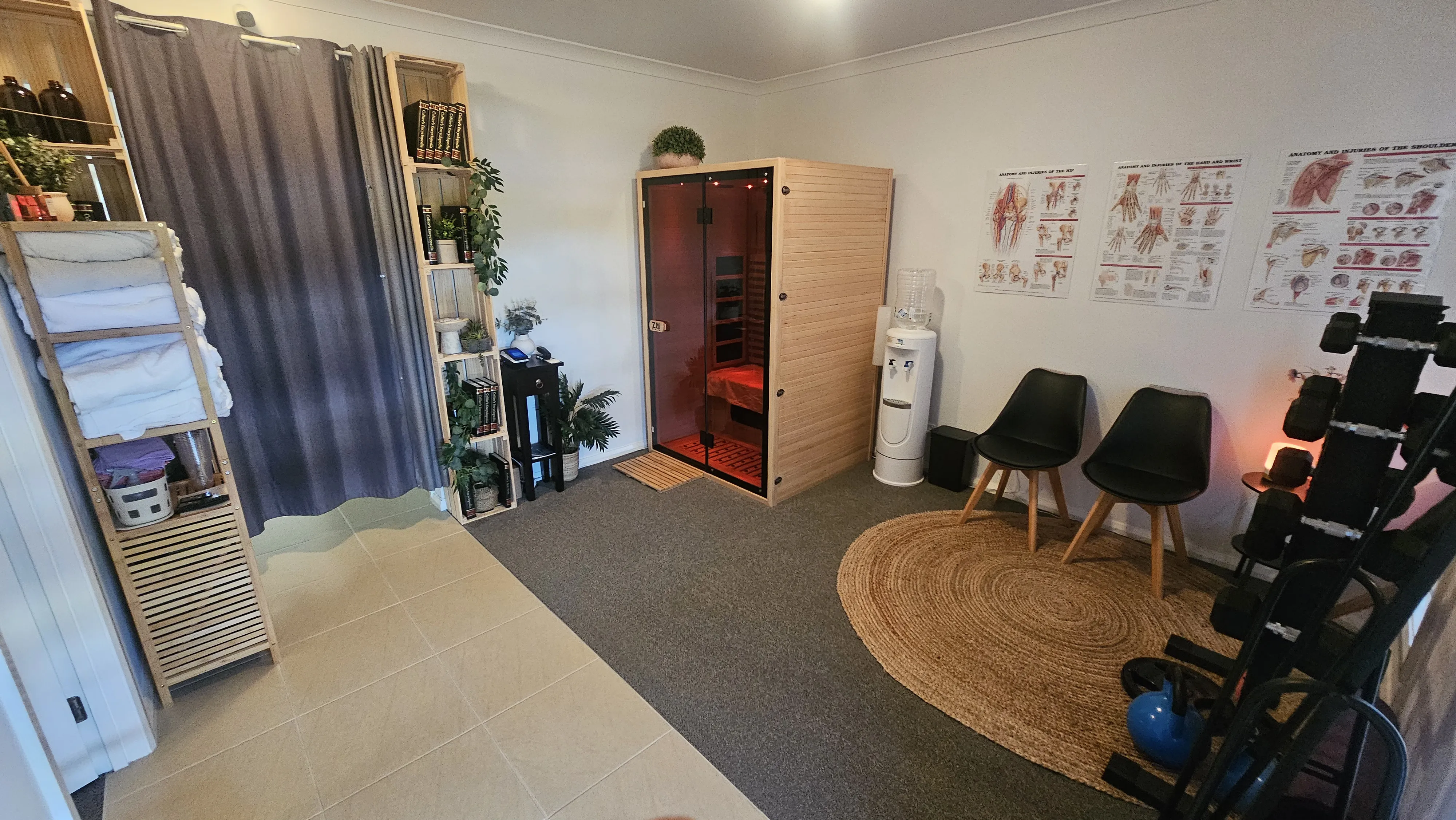
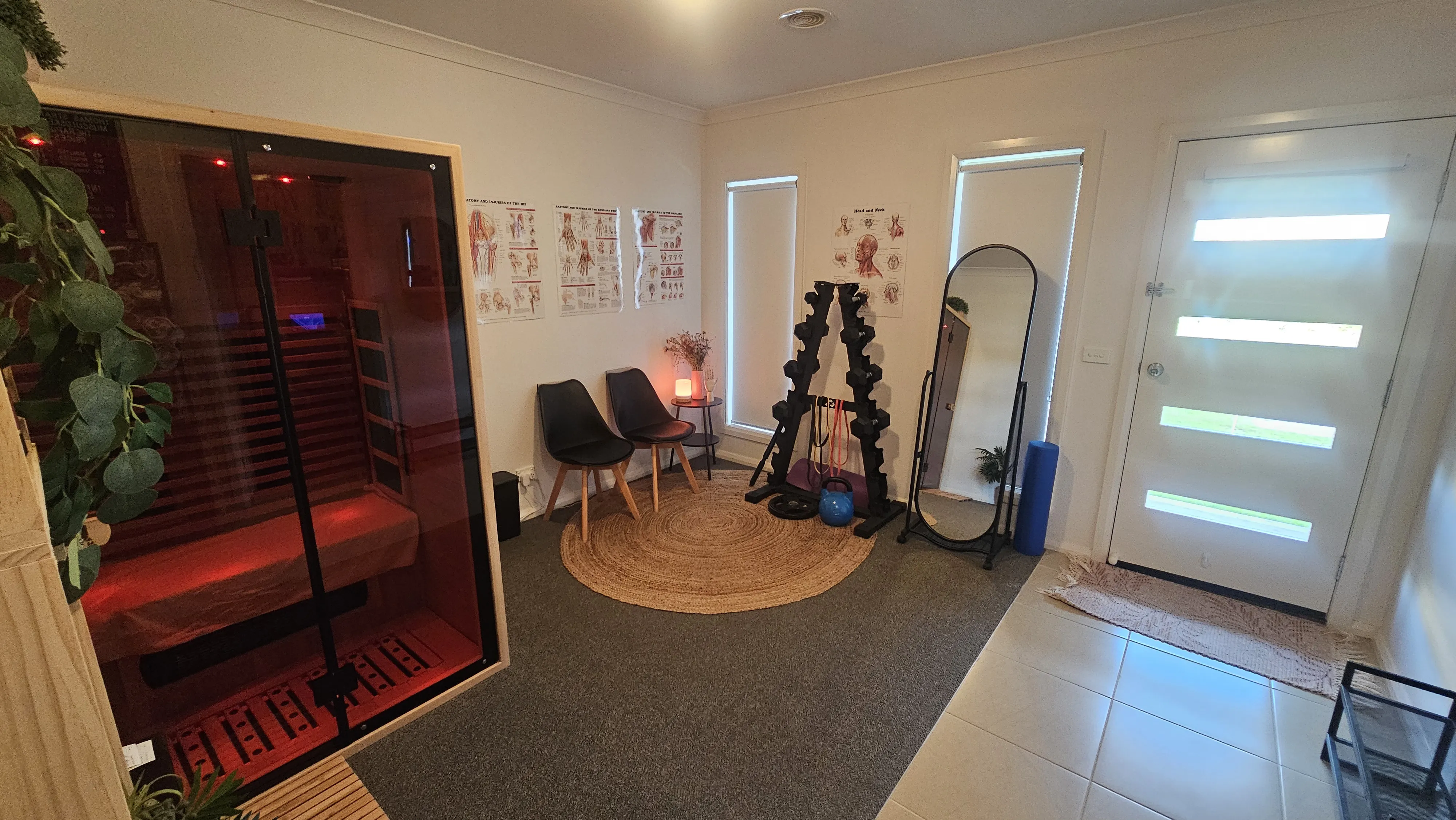
The clinic's Zua Health Broad Spectrum Infrared Sauna delivers three complementary wavelengths, each penetrating tissue at a different depth to produce a range of clinically supported physiological benefits.
Available as a standalone session or as an add-on following your treatment appointment, the sauna supports cardiovascular health, delayed-onset muscle soreness recovery, and adjunctive relief from certain chronic pain conditions.
Knowing what to expect removes uncertainty and allows you to arrive relaxed and ready — so your appointment time is spent entirely on your care.
Should you wish to begin your journey toward recovery, I warmly invite you to book an appointment at your earliest convenience.
*Friday: 7:00 AM – 1:30 PM & 2:30 PM – 7:00 PM (lunch break)
Remedial massage and myotherapy treatments may be eligible for private health fund rebates. HICAPS facilities available for convenient on-the-spot claiming with most major health funds.
Conveniently located in Point Cook, servicing Werribee, Hoppers Crossing, Altona Meadows, and surrounding suburbs.
Take the first step toward lasting relief. Book directly online — available 24 hours, seven days a week. Select your preferred service, date, and time in seconds.
All treatment is delivered by a fully accredited, AMT-registered practitioner adhering to national clinical standards of practice.
Remedial massage and myotherapy treatments may be eligible for rebates from your private health fund. HICAPS on-the-spot claiming is available at the clinic, meaning your out-of-pocket cost is calculated and processed immediately at the time of your appointment — no paperwork, no waiting.
Swipe your health fund card at the clinic for instant rebate processing
When you present your health fund card at the conclusion of your appointment, the HICAPS terminal processes your rebate claim instantly. You pay only the gap — the difference between the full session fee and your fund's rebate amount.
The rebate you receive depends on your specific policy, the level of extras cover you hold, and whether you have remaining extras benefit for the year. Eligibility varies between funds and policies — we recommend confirming your cover with your fund prior to your first appointment.
Note: Not all health funds cover myotherapy. Most major funds cover remedial massage with a registered therapist. Please check your policy for confirmation.
Participating funds as at December 2020. Please confirm current participation with your fund. · www.hicaps.com.au